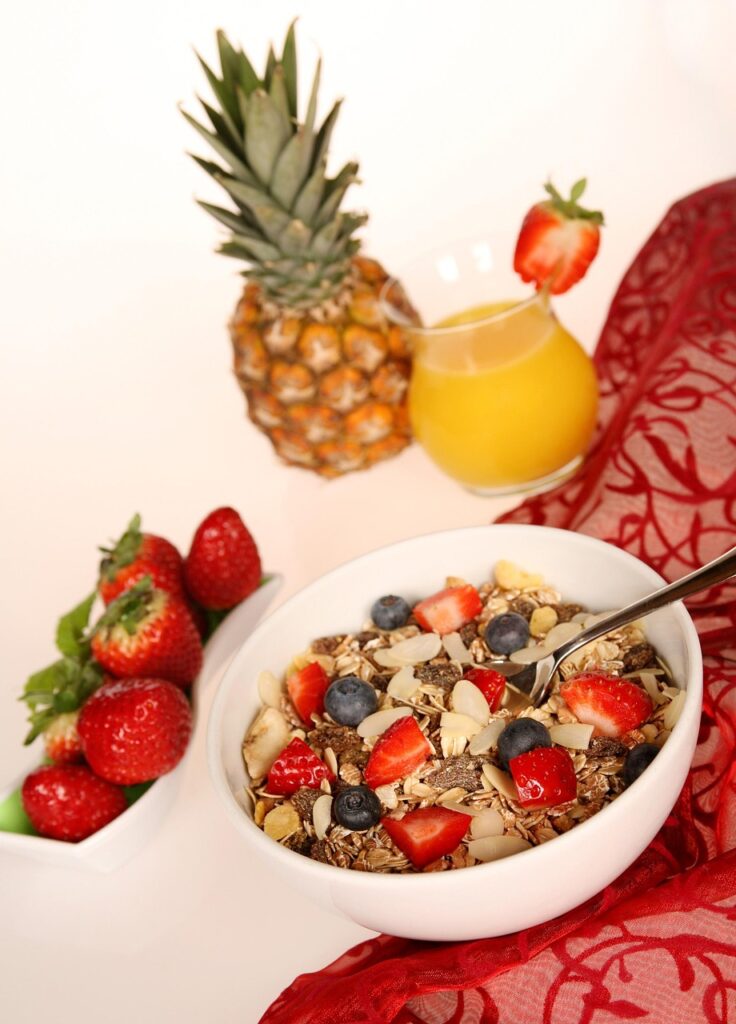
A recent study investigates the nutritional content of popular breakfast cereals, including the one you might be enjoying right now.
I have to admit: I’m a fan of cereal. And not just a little bit. As a child, I’d enjoy ready-to-eat cereal for breakfast and then again as a dessert after dinner. Raisin Bran, Corn Flakes, and Rice Krispies were my go-to choices. If there was any milk left after finishing the cereal, I’d do what many cereal enthusiasts do: pour in more cereal until both the milk and cereal were gone. Cereal remains one of my top favourite foods. I’m not the only one who feels this way. In the US, over 25% of kids and teens consume ready-to-eat cereal for breakfast on most days. Among adults, about half have cereal at least once or twice a week. Famous athletes often grace cereal boxes, and several celebrities, like Jerry Seinfeld and Justin Timberlake, have expressed their love for it. Part of its allure comes from advertising that promotes cereal as a healthy option. However, a 2025 study of over 600 breakfast cereals challenges this notion, especially for many popular brands.
How healthy are breakfast cereals?
Not really. A significant number of the most well-known cereal brands are loaded with sugar, offer little protein before milk is added, contain numerous additives, and lack many other essential nutrients. Surprisingly, some even fall short on fibre, which is supposed to be a key reason for choosing cereal as a healthy breakfast option. And those 120 to 150 calories often mentioned on the box? It turns out that the actual servings many people eat (myself included) can easily exceed 300 calories per sitting. As for the flashy claims like “heart healthy,” “rich in vitamins,” “all natural,” or “part of a healthy breakfast”? Sadly, researchers have discovered that these health claims often have little to do with the actual nutritional content. In reality, for many cereals, the main source of nutritional value comes from something not even in the box: milk.
A closer look at seven popular breakfast cereals
Listed below are the seven best-selling breakfast cereals in the United States: Cheerios, Frosted Flakes, Honey Nut Cheerios, Honey Bunches of Oats, Cinnamon Toast Crunch, Froot Loops, and Lucky Charms. These cereals are often sugary, heavily processed, and packed with empty calories. While some may include vitamins, they are typically in minimal quantities, and others may contain unnecessary sodium (salt). It’s common for these cereals to highlight potentially healthy aspects like fiber content while overlooking their high sugar and calorie content. Eliminating artificial colours and flavours won’t make these cereals healthy or rich in nutrients.
But breakfast cereals are getting healthier, right?
A study released in May 2025 revealed a contrasting finding. It examined the nutritional content of 1,200 ready-to-eat cereals aimed at children, which were either newly introduced or reformulated between 2010 and 2023, and identified a concerning trend: an increase in fat, sodium, and sugar levels, coupled with a decline in protein and fibre content. Thankfully, initiatives are in place to enhance the quality of cereals consumed by children. This year, USDA guidelines for school breakfast programs are set to gradually lower sugar and salt levels while boosting the requirement for whole grains.
So, what’s a breakfast eater to do?
When considering breakfast options, we can certainly find alternatives to sugary, calorie-dense, and nutrient-poor cereals that are heavily marketed, especially to children, and are popular sellers. One alternative is to opt for healthier breakfast items such as oatmeal topped with fruit and nuts, eggs, yoghurt with fruit, or whole-grain toast with peanut butter. However, if you’re as fond of ready-to-eat cereals as I am, it’s important to examine the nutrition label for these healthy features: whole grain listed as the first ingredient, at least 2.5 grams of fiber per serving, though 5 grams or more is preferable, little to no added sugar or sodium, 150 calories or fewer per serving—and be sure to measure that serving, which is typically 3/4 to 1 cup (much less than the average bowl holds!), and a short ingredient list with recognizable food items (as opposed to things like butylated hydroxytoluene or food dyes). Some cereals that meet most of these criteria include Shredded Wheat, Kashi Go Lean, Cheerios, and All-Bran.
The bottom line
Enjoying ready-to-eat breakfast cereal isn’t the worst choice, particularly when paired with skim or protein-rich non-dairy milks. However, it’s essential to be mindful of your portion sizes and choose wisely. A nutritious breakfast should energise your body and not just be sugary, crunchy snacks pretending to be healthy meals.