How does undergoing Does treatment for prostate cancer impact mental well-being?
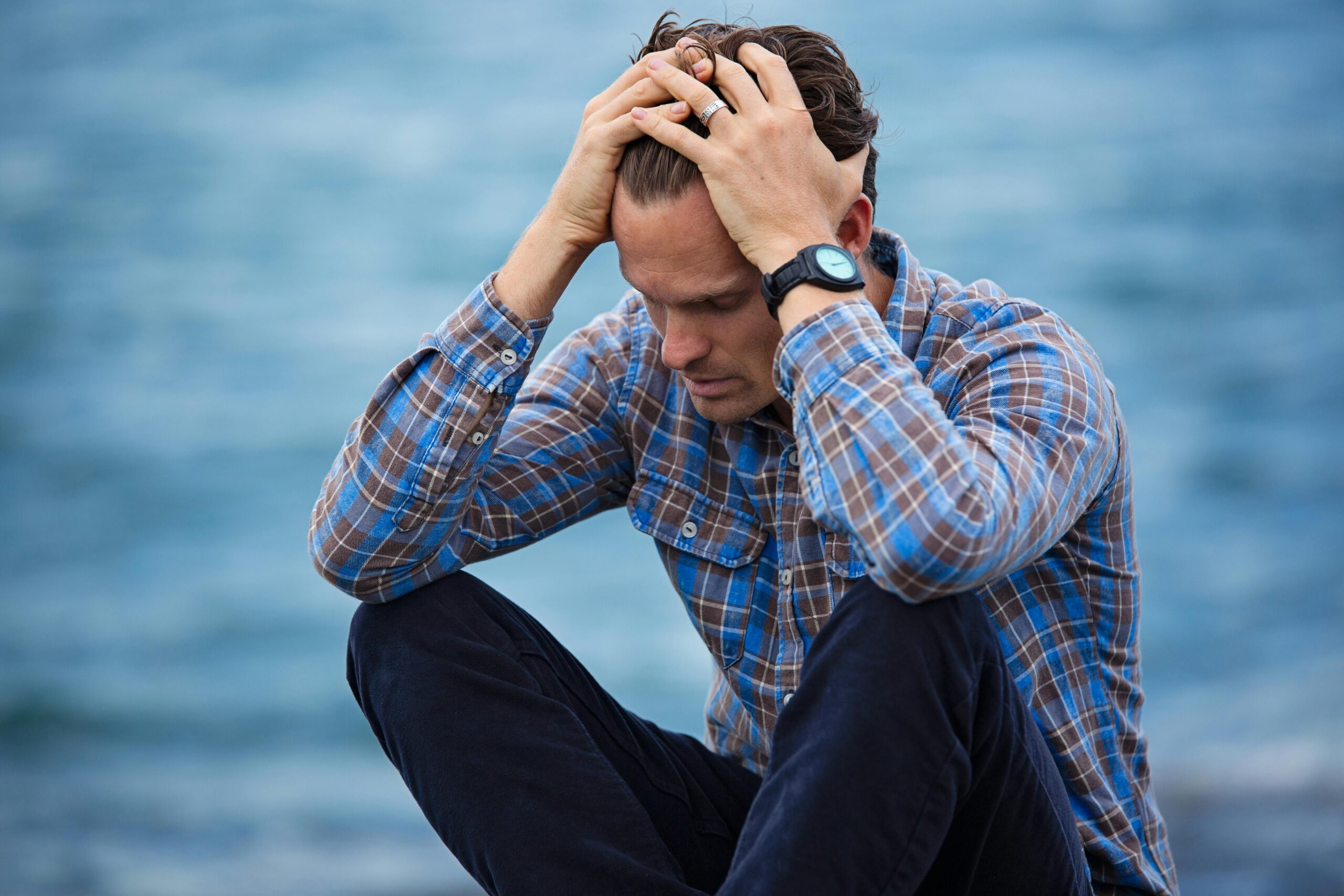
It is common for men to face challenges with their sense of masculinity and body image post-treatment, although many eventually come to terms with these changes.
The prognosis for men diagnosed with prostate cancer has been steadily improving. Approximately 98% of these individuals are surviving for at least a decade post-diagnosis, and the 15-year survival rate has now surpassed 95%. Despite these medical advancements, there is growing awareness of the mental health issues that many survivors face. The side effects of treatment, such as erectile dysfunction, incontinence, hot flashes, and fatigue, can have a significant psychological impact. Although doctors have become more adept at managing these issues and many men experience some level of recovery, it remains common for survivors to grapple with diminished masculine self-esteem and altered body image.
Navigating change
While no amount of preparation can completely substitute for the experience of undergoing these changes, many prostate cancer survivors report feeling hurried into treatment decisions without sufficient initial discussions about possible side effects, which often leads to regret or reconsideration later. Generally, patients express that they would have felt more prepared for cancer treatment if they had a more thorough understanding of what to anticipate. For these reasons, experts stress the significance of open communication with the medical team before starting treatment. Engaging in detailed discussions about treatment options, potential side effects, and expected outcomes can assist men in choosing options that best align with their values and quality-of-life objectives. Involving family members can be beneficial, as partners often provide support. Initially, after treatment, men tend to perceive changes in their masculinity, body image, and self-esteem negatively. Erectile dysfunction can be particularly challenging for younger men, as it disrupts their ideal of natural, spontaneous sexual performance. Physical weakness also imposes new limitations; some men may be reluctant to spend extended periods away from home due to concerns about incontinence. Men who hold the strongest masculine ideals often struggle the most with adapting to their illness, which can leave them feeling angry or depressed. Many men cite long-term changes in sexual functioning and the potential recurrence of cancer as their greatest concerns. Over time, however, the psychological burdens may diminish as men begin to accept their new lives as cancer survivors. Experts suggest that an important aspect of this adjustment involves redefining masculinity by adopting new ideals and letting go of others. Mentoring in prostate cancer support groups, for example, can help men reaffirm their masculinity and regain confidence.
Recognizing the Upsides Some individuals who have survived cancer report feeling more relaxed and less confrontational while on hormone therapies that lower testosterone levels. Others mention that their illness has led to greater openness in their relationships. Adjusting intimacy to emphasize more on hugging and kissing can also be advantageous. For certain older men, the decrease in libido following treatment might even be a source of comfort. Physical activity also enhances mental well-being, even for those with advanced metastatic prostate cancer. Experts advise aiming for 150 to 300 minutes of moderate exercise or 75 to 150 minutes of intense exercise weekly, with a doctor’s supervision. Ultimately, many men view cancer treatment as a worthwhile exchange between side effects and extended life. However, men should also prepare for the changes they are likely to encounter during treatment.

ABHISHEK KUMAR
Academic Researcher
Join my journey of research, innovation, and academic excellence in pharmaceutical sciences.